Patients
The reality of nasal and craniofacial reconstruction today.
Behind every reconstruction is a person enduring years of surgeries, scars, and uncertainty. This page exists because of what happened to us - and because patients deserve to know the truth about the current standard of care.
Founder Story
This page exists because of what happened to me.
I underwent my first nasal reconstruction at 27. By the time I founded the Hopewell Foundation I had been through multiple surgeries - rib cartilage harvested twice, ear cartilage taken, a forehead flap. Each time I was told this would be the last one. Each time it was not.
I spent $70,000 on a surgery that left me worse than before. I created the Hopewell Foundation because I refused to accept that this was simply how things had to be.
The patients on this page are not statistics. They are people I know. People who trusted their surgeons with their bodies, their savings, and their hope.
- Katharine Derrey, Founder
Who We Serve
We are here for you if you are:
- A patient who had Mohs surgery and needs nasal reconstruction following skin cancer
- A patient whose rhinoplasty failed structurally and now requires reconstruction
- A trauma patient who has sustained nasal or facial injuries
- A patient living with Empty Nose Syndrome
- A patient with an autoimmune condition such as granulomatosis with polyangiitis
- A patient born with craniofacial differences who has navigated a lifetime of surgeries
- Anyone who has been told there are no better options
Statistics
This is not individual bad luck. It is a systemic failure.
4.3M+
basal cell carcinoma cases annually - nose is the most common facial site
5-15%
of rhinoplasties require revision surgery
24%
revision rate after tertiary surgery with rib cartilage grafts
63%
of patients screen positive for PTSD after complications
$30,000-$60,000+
out of pocket per complex revision procedure
0
patient-specific engineered scaffold alternatives currently in clinical use
The Current Standard
Current reconstruction options are not enough.
They are invasive. They offer no guarantee. And they create donor site injuries across the body - not one scar, but many. Skin from the forehead. Cartilage from the rib. Tissue from the ear. Each procedure trading one wound for another, often over years of repeated surgeries.
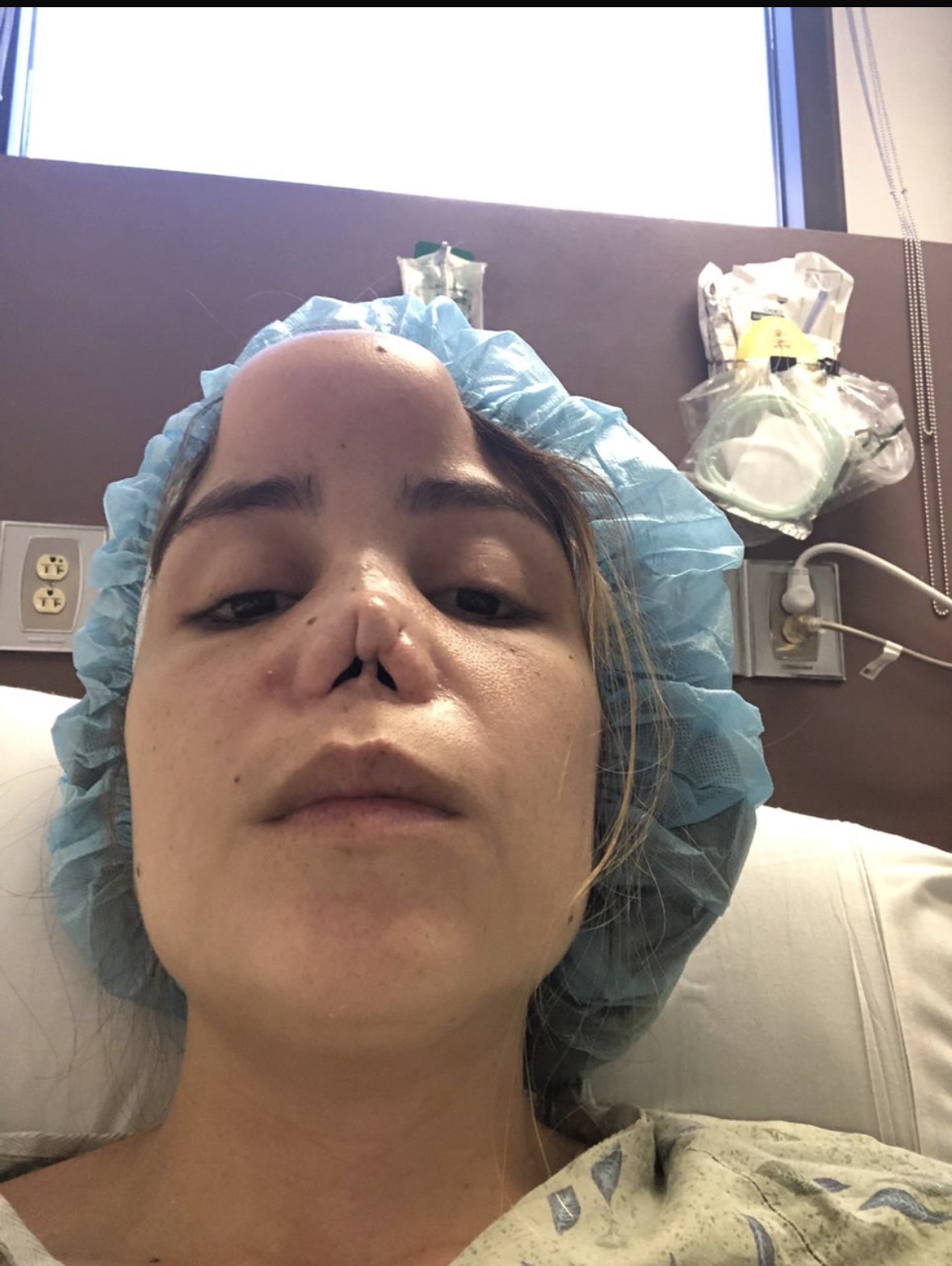
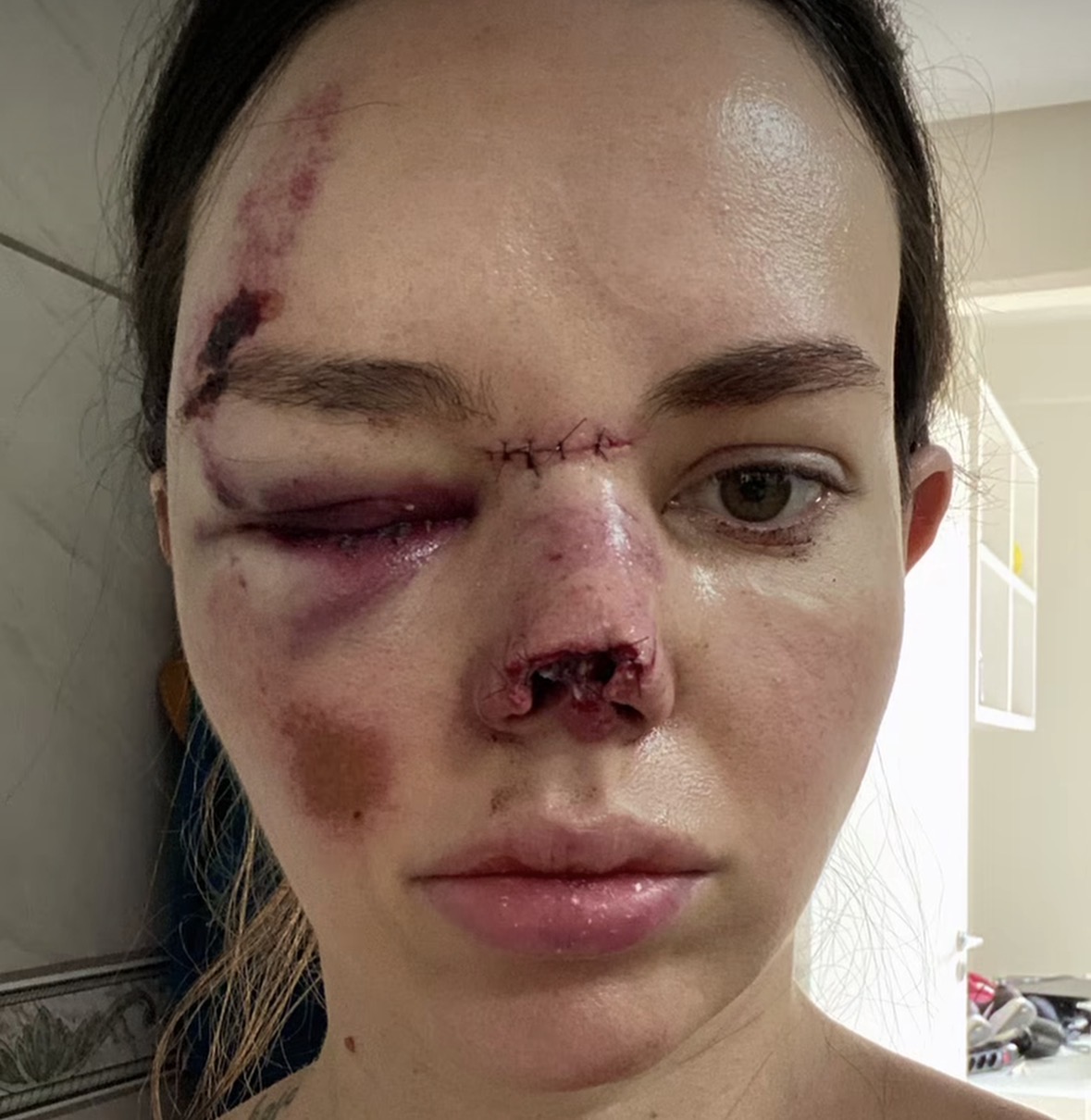
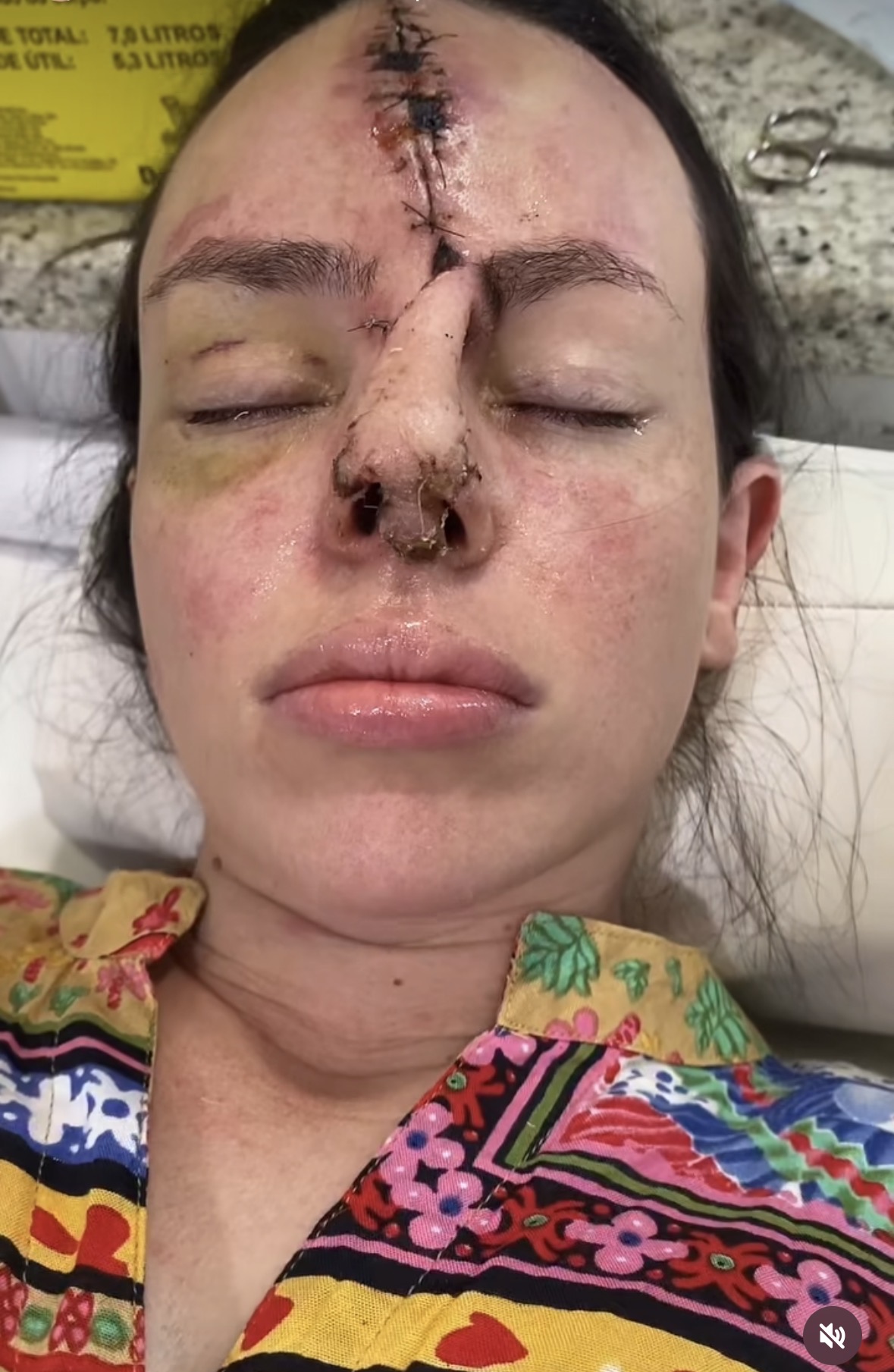
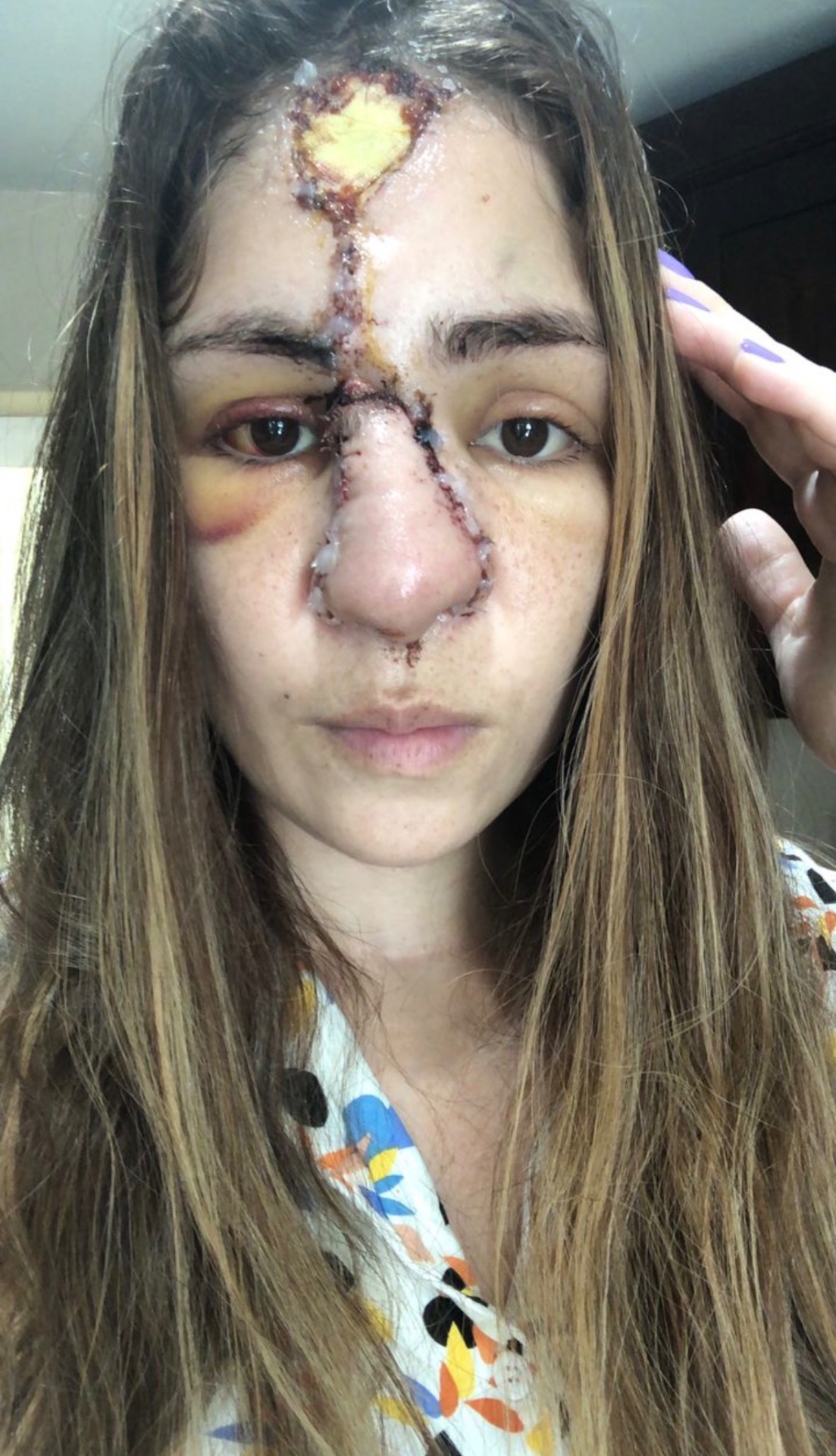
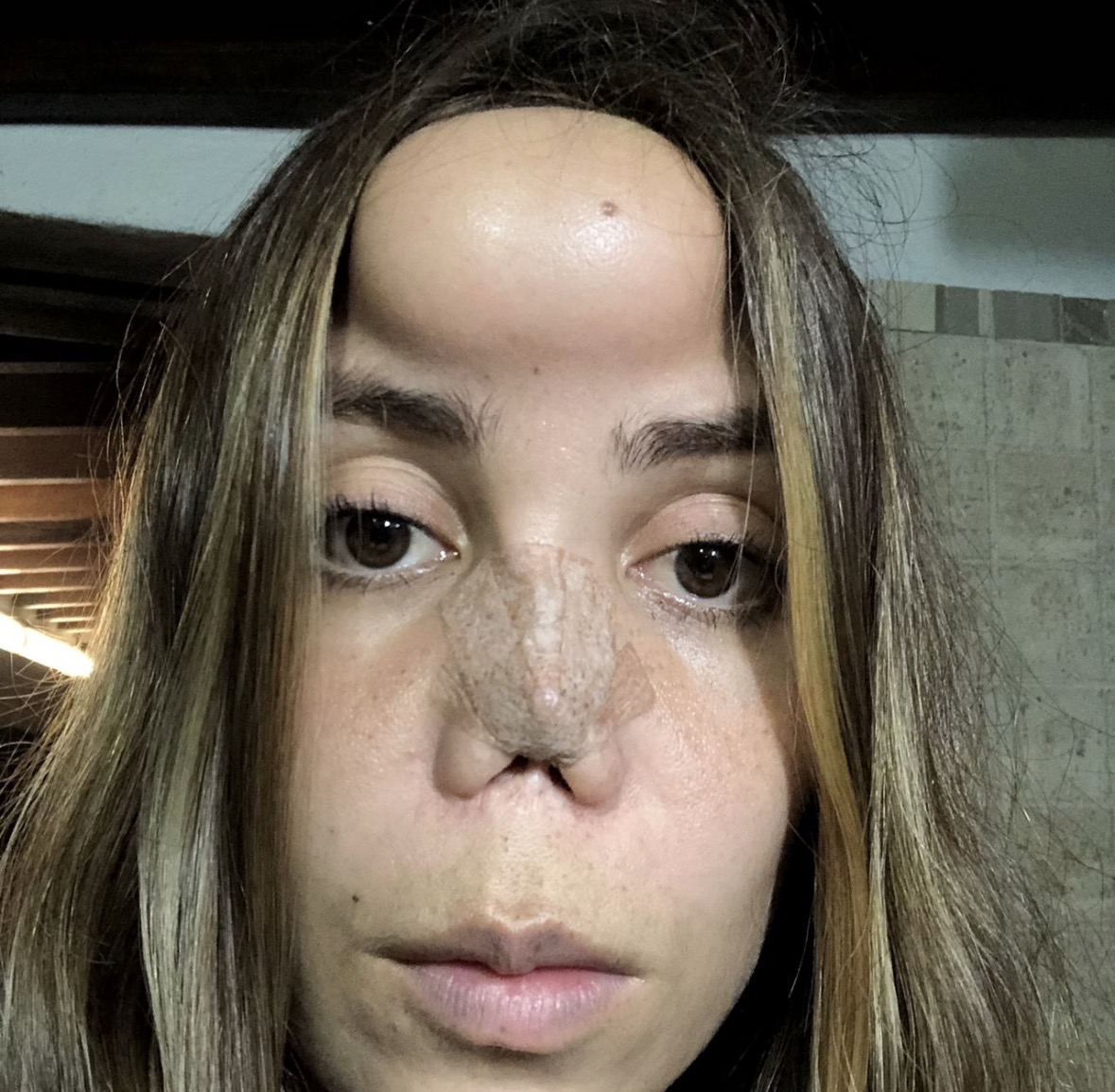
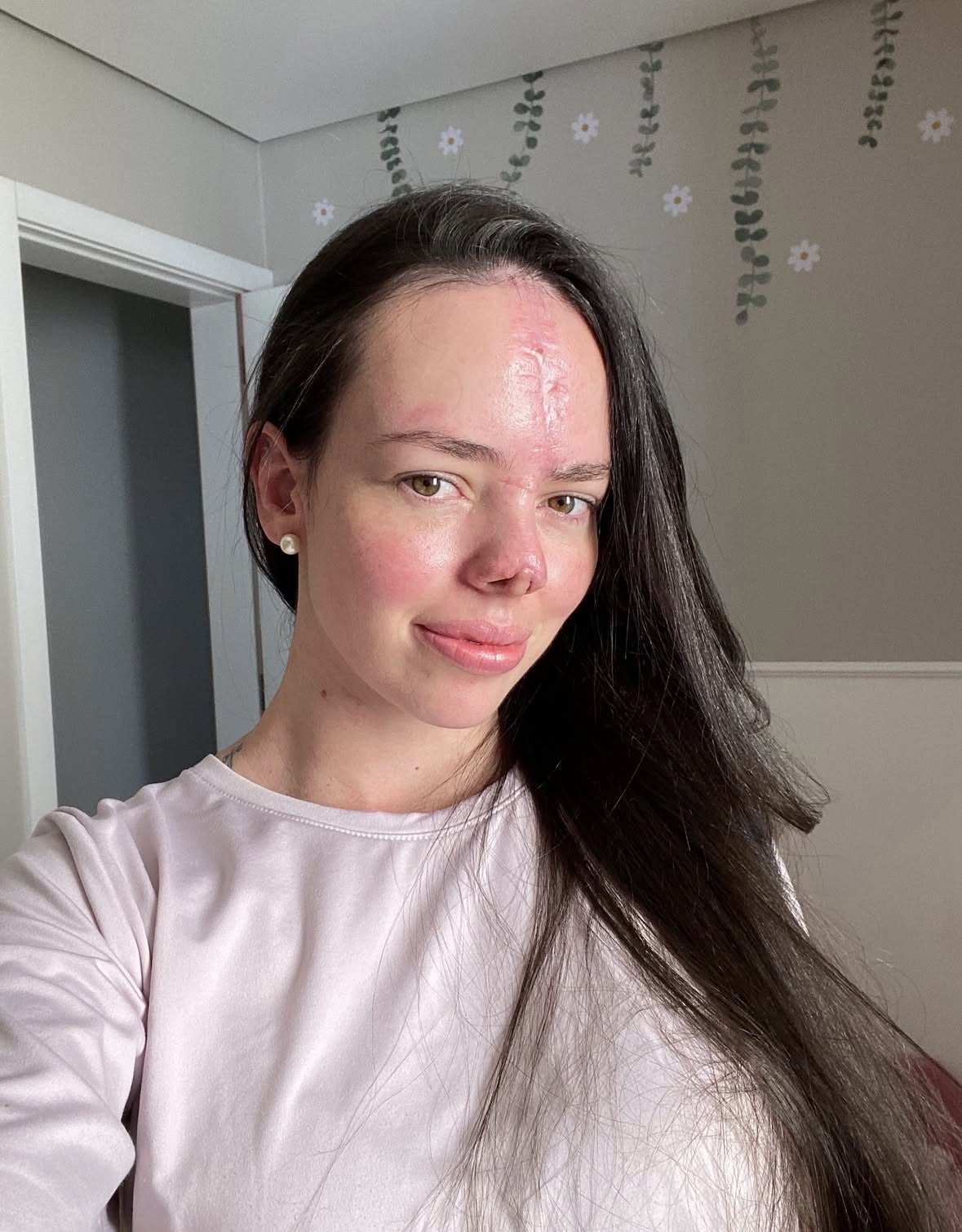
Documentary photographs shared with patient consent. Each image shows what the current standard of care actually looks like.
Patient Voices
In their own words.
The financial cost was overwhelming. The emotional cost was deeper still. A real solution wouldn't just change lives, it would finally break the cycle.
I asked if he specialized in revisions. The secretary laughed and said some patients have had up to seven revisions. I realized this wasn't a solution, it was a pattern.
I remember wondering if I would ever recognize myself in the mirror again. I still hold onto the hope that one day, I will.
The pain wasn't just in my nose, it was in my chest. Every breath, every movement, was a reminder of what my body had gone through.
Share Your Story
Your voice matters.
Are you a patient navigating craniofacial or nasal reconstruction? We want to hear from you. Your experience goes directly to our advocacy work with the FDA and helps shape the future of care for patients like you.
Share Your StoryA Better Path
A better path forward.
Researchers around the world are developing 3D bioprinted bone and cartilage constructs built from patient CT scan data. The technology exists. The science is advancing. The Hopewell Foundation is working to accelerate the clinical pathway that brings it to patients - through our FDA advocacy, our partnerships with leading research institutions, and our commitment to keeping patient voices at the center of every decision. No more forehead flaps. No more rib harvesting. No more trading one wound for another.
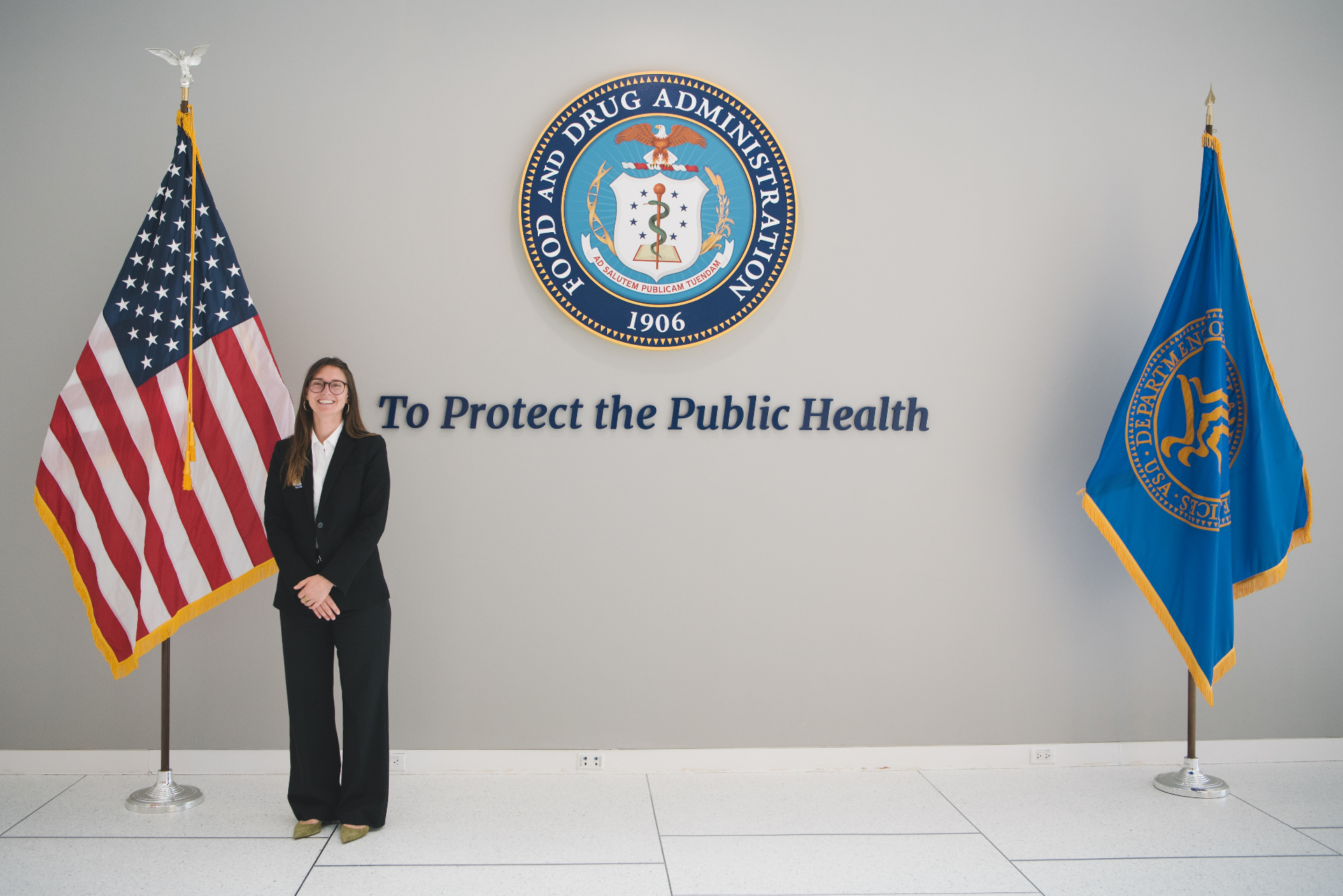
No one should have to sacrifice one part of their body to repair another.
Help us fund regenerative reconstruction so the next generation of patients will not have to choose between scars.